
UK fashion industry gains a commercially viable pathway to circular garments
Fibre to Fibre introduces a circular garment production model for UK brands, combining European textile recovery with established Asian manufacturing at commercially competitive price levels.
Fibre to Fibre has extended its circular production model to the UK, providing fashion brands with a commercially sustainable method for creating garments from post-consumer textiles. Unveiled at Source Fashion, this model incorporates European-sourced circular fibres into current production facilities in Bangladesh, allowing brands to integrate recycled materials seamlessly into their collections. This expansion tackles a significant challenge in circular fashion adoption: scaling sustainable production while preserving a cost balance with traditional materials.
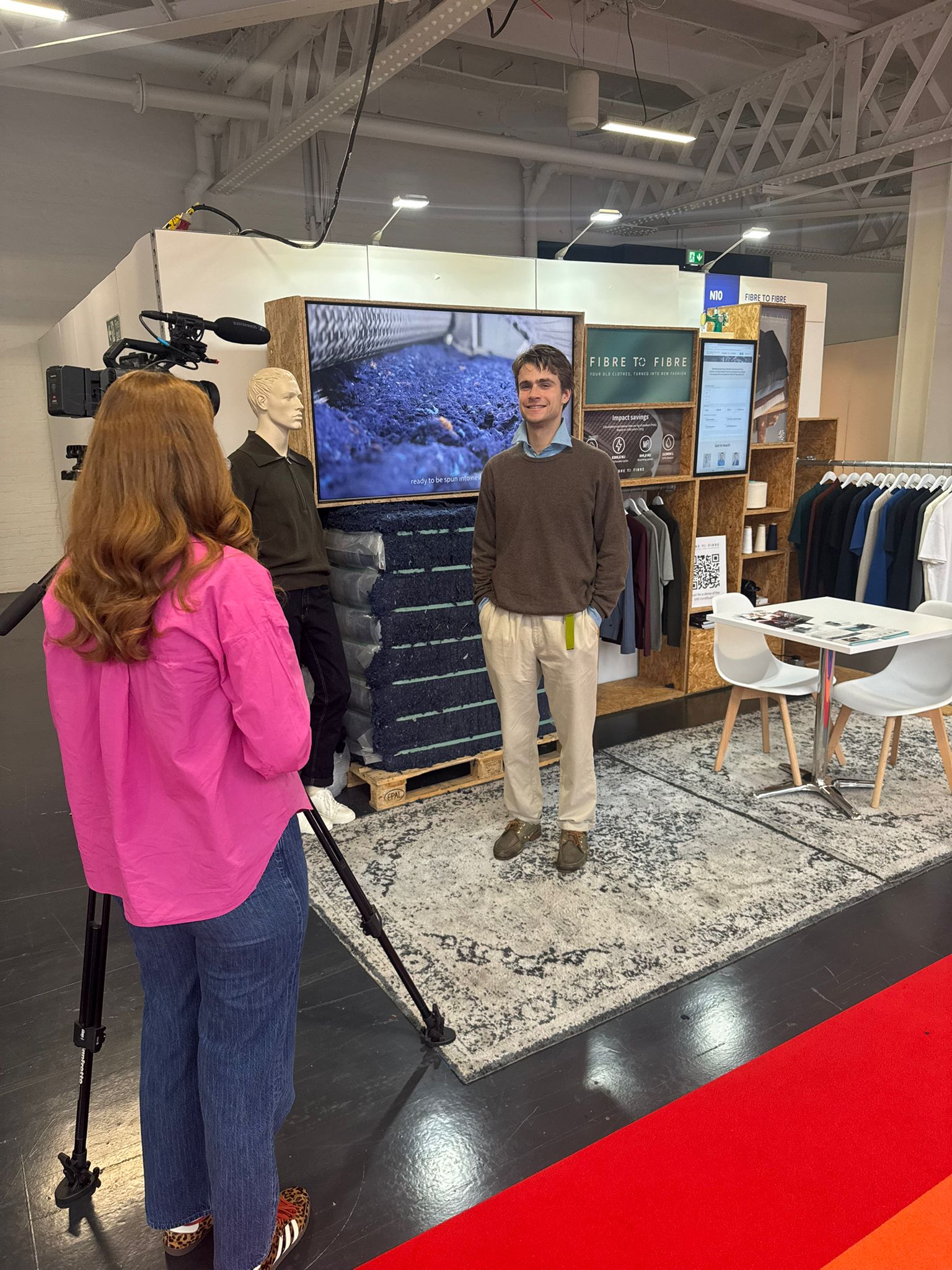
Bridging European recycling with Asian manufacturing
The model connects European textile recovery with established garment manufacturing in Bangladesh. Post-consumer textiles collected in the Netherlands are processed into circular fibers and transformed into finished garments within existing production facilities.
Because turning post-consumer textiles into reliable garments is technically complex, Fibre to Fibre operates exclusively as a full-garment solution. Controlling the process from fiber to finished product ensures consistent quality, traceability and commercial reliability at scale.
Addressing the scale challenge
“Circular production has existed for years in theory and in small-scale pilots, but scaling it within mainstream supply chains has remained a challenge,” says Tom Atkins, spokesperson for Fibre to Fibre. “Our initiative stands out by operating at scale within established manufacturing spheres, accessible at cost points amenable to mainstream fashion brands. This approach marks a notable development in the creation of circular garments without forcing brands to sacrifice on cost, quality, or operational efficiency.”
With pricing comparable to that of organic cotton and recycled polyester, the financial hurdles to embracing circular materials have been mitigated. This strategic move allows brands with constrained budgets to incorporate circular production principles without significant cost implications.
From collection to finished garment
The process initiates with the collection and categorization of post-consumer textiles in the Netherlands, where garments are sorted and reduced to their fibrous state. These recovered fibers are blended with pre-consumer waste and spun into circular yarns, which are then converted into finished garments. This journey—from discarded clothing to retail-ready apparel—demonstrates how a circular production model can be applied in a commercially viable way.
About Fibre to Fibre
Fibre to Fibre transforms discarded clothing into high-quality garments while eliminating waste exports. Based in the Netherlands, the company collects, sorts, and fiberizes textile waste, with usable fibres flowing into a supply chain that produces circular yarns. By keeping textile waste in Europe for processing and offering pricing comparable to organic cotton and recycled polyester, Fibre to Fibre is working to make circular production the default in fashion manufacturing.
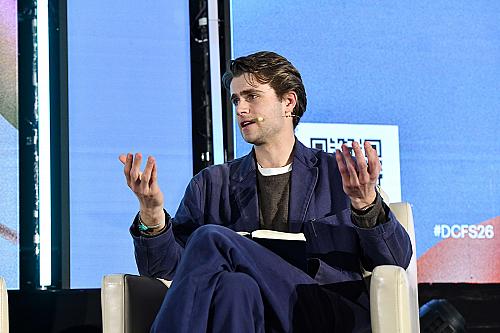
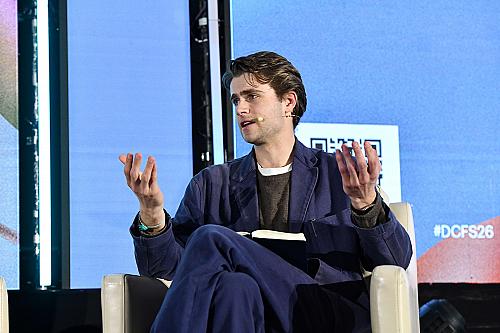
Fashion industry tackles wrong challenge in circular design
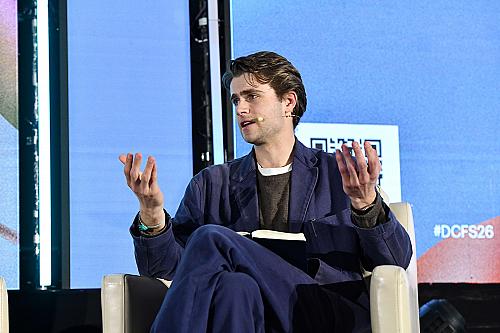
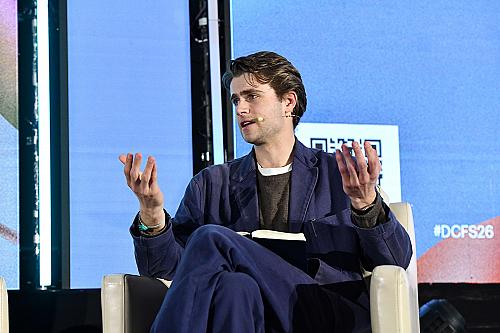
At the Drapers Conscious Fashion Summit, Tom Atkin of Fibre to Fibre presented a thought-provoking perspective on sustainable fashion design. Amid the industry's preoccupation with...
Fibre to Fibre joins panel on circular fashion at Drapers summit
Tom Atkin, head of Fibre to Fibre UK, will present insights on circular production at the upcoming Drapers Conscious Fashion Summit in London on March 11. As part of a panel dedica...